Systematic Name: Cathelicidin Antimicrobial Peptide (CAMP) Synonym: hCAP-18 (human cationic antimicrobial protein 18)-derived peptide CAS Number: 246494-35-7 Molecular Formula: C₁₇₉H₂₉₁N₅₃O₄₉ Molecular Weight: ~4,493 Da Amino Acid Sequence: LLGDFFRKSKEKIGKEFKRIVQRIKDFLRNLVPRTES Isoelectric Point (pI): 10.9 (strongly cationic) Structure: Amphipathic α-helix (residues 13-34) with hydrophobic N-terminus and hydrophilic C-terminus
🔍 Biological Origin & Processing
LL-37 is the only cathelicidin expressed in humans, encoded by the CAMP gene on chromosome 3p21.3. Synthesized as a 18 kDa precursor protein (hCAP-18) in neutrophils, macrophages, epithelial cells, and keratinocytes, it undergoes proteolytic cleavage by proteinase 3 to release the active 37-amino acid peptide. This processing occurs during inflammation or microbial challenge, with secretion triggered by TLR activation, vitamin D, or microbial products like LPS.
⚔️ Multifunctional Mechanisms
🦠 Antimicrobial Activity
Broad-Spectrum Action: Effective against Gram-positive bacteria (Staphylococcus aureus, Streptococcus pneumoniae), Gram-negative bacteria (E. coli, Pseudomonas aeruginosa), fungi (Candida albicans), and enveloped viruses (HIV-1, influenza A). MIC values range from 1-10 μM for most pathogens.
Membrane Disruption: Cationic residues (+6 net charge) interact with anionic microbial membranes, forming pores via the “carpet model” or barrel-stave mechanism. Hydrophobic N-terminal region drives insertion into lipid bilayers, causing leakage and cell lysis.
Intracellular Targeting: Enters bacterial cytoplasm to inhibit DNA/RNA synthesis and protein folding, providing a second bactericidal mechanism.
🛡️ Immunomodulation
Chemotaxis: Recruits neutrophils, monocytes, and T cells via formyl peptide receptor-like 1 (FPRL1) activation, with EC₅₀ of 0.1-1 μM.
Cytokine Regulation: Induces IL-8, MCP-1, and TNF-α at low concentrations (1-5 μM) while suppressing excessive inflammation via TLR4/MD2 antagonism at higher doses (>10 μM).
Antigen Presentation: Enhances dendritic cell maturation and MHC class II expression, bridging innate and adaptive immunity.
🔄 Tissue Repair & Regeneration
Angiogenesis: Stimulates endothelial cell migration and tube formation via VEGFR2 activation, accelerating wound vascularization.
Keratinocyte Proliferation: Promotes re-epithelialization by upregulating EGF receptor signaling, reducing wound closure time in murine models by 30%.
Extracellular Matrix Remodeling: Induces MMP-2/MMP-9 expression to facilitate tissue remodeling during healing.
🩺 Clinical Significance
Pathological Context
Role of LL-37
Infectious Diseases
Deficiency associated with recurrent skin infections (atopic dermatitis) and bacterial vaginosis.
Inflammatory Disorders
Overexpression linked to psoriasis (induces Th17 polarization) and rheumatoid arthritis (synovial inflammation).
Cancer
Acts as double-edged sword: inhibits melanoma/colorectal cancer growth via apoptosis induction but promotes bladder cancer angiogenesis.
Wound Healing
Topical application accelerates diabetic ulcer closure by 40% in clinical trials (Phase II data).
🧪 Research Tools & Therapeutics
Recombinant Production: Available as synthetic peptide (≥95% purity) or E. coli-expressed protein; typically reconstituted in water or PBS with 0.1% BSA.
Delivery Systems: Nanoparticle encapsulation enhances stability and reduces hemolytic activity (IC₅₀ >100 μM vs. 25 μM for free peptide).
Clinical Candidates: Cationic lipopeptide derivatives (e.g., MX-226) in Phase I trials for multidrug-resistant infections; LL-37-modified hydrogels under development for chronic wound therapy.
⚠️ Biological Considerations
Host Cell Toxicity: Hemolytic at high concentrations (>50 μM); requires careful dose optimization for therapeutic use.
Proteolytic Degradation: Susceptible to serine proteases (e.g., elastase), necessitating protease inhibitors in formulations.
Immunogenicity: Naturally occurring in humans, minimizing antibody formation risk compared to synthetic antimicrobials.
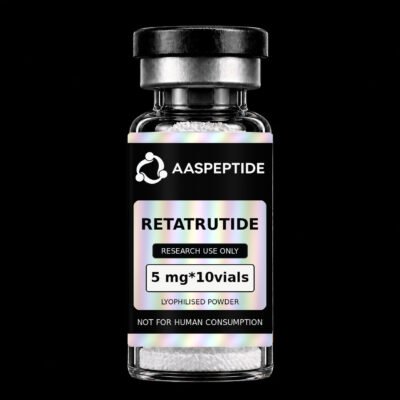
Retatrutide is a next-generation triple incretin agonist, targeting GLP-1 (glucagon-like peptide-1), GIP (glucose-dependent insulinotropic polypeptide), and Glucagon receptors simultaneously. This unique triple-action mechanism offers a powerful blend of appetite suppression, fat oxidation, and energy regulation, positioning Retatrutide at the forefront of advanced weight management and metabolic enhancement therapies.
This product is supplied as a lyophilized powder and requires reconstitution before use.
Select options
This product has multiple variants. The options may be chosen on the product page