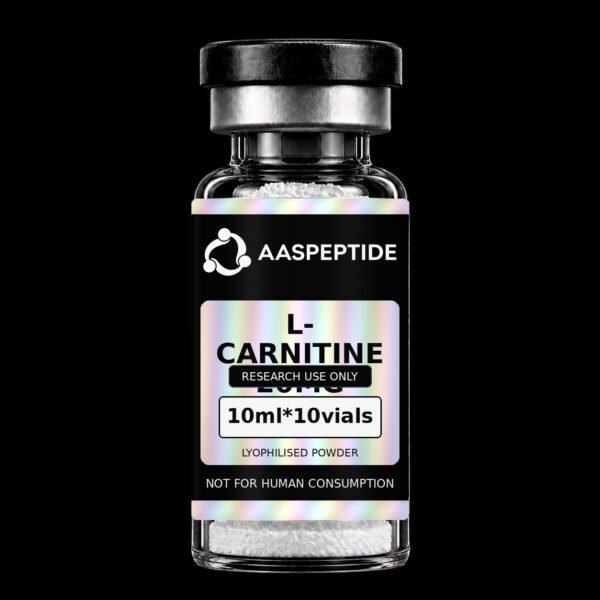
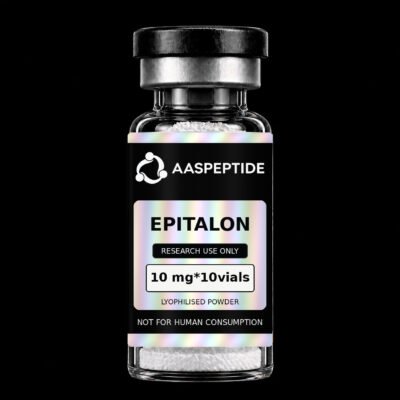
LC216 10ml*10vails Kit

$82.00

L-carnitine 20mg
L-Arginine 20mg
methonine 25mg
Inositol 50mg
choline 50mg
B6(Pyridoxine) 25mg
B5(dexpanthenol) 5mg
b12(methylcobalamin) 1mg 2% benzyl alcohol
2% Lidocaine 0.1%
In sterile Water

Description

🧪 Nutraceutical Formulation: L-Carnitine-Arginine-Methyl B12 Complex

Composition: Aqueous solution containing L-carnitine (20mg), L-arginine (20mg), methionine (25mg), inositol (50mg), choline (50mg), pyridoxine HCl (B6, 25mg), dexpanthenol (B5, 5mg), methylcobalamin (B12, 1mg), 2% benzyl alcohol (preservative), 0.1% lidocaine HCl, in sterile water for injection

Category: Multifunctional metabolic support solution
Form: Clear, colorless to pale yellow liquid in 10mL amber vials
pH: 5.5-6.5 (buffered with sodium acetate)
Osmolarity: 310-330 mOsm/kg

🔬 Key Component Properties

1. Amino Acid & Metabolic Support Complex
Component Concentration Molecular Weight Key Properties
L-Carnitine 20mg 161.2 g/mol Fatty acid transport cofactor; water-soluble (≥250 mg/mL); stable at pH 3-6
L-Arginine 20mg 174.2 g/mol Nitric oxide precursor; pI=10.76; ≥200 mg/mL solubility in water
Methionine 25mg 149.2 g/mol Sulfur-containing amino acid; lipotropic agent; pKa=2.28 (carboxyl)
2. B-Vitamin Complex
Vitamin Concentration Function Stability
Pyridoxine (B6) 25mg Cofactor for transaminases; PLP-dependent enzymes Stable in acidic solutions; sensitive to UV light (amber vial protection)
Dexpanthenol (B5) 5mg Precursor to pantothenic acid; CoA synthesis Hygroscopic; stable at pH 4-7
Methylcobalamin (B12) 1mg Methyl group donor; neuroprotective form of B12 Photosensitive; stable for 24 months at 2-8°C
3. Lipotropic Factors
Component Concentration Role in Lipid Metabolism
Inositol 50mg Secondary messenger; phosphatidylinositol precursor; 180.16 g/mol
Choline 50mg Phosphatidylcholine synthesis; methyl donor; 121.14 g/mol
4. Excipients
  • Benzyl Alcohol (2%): Antimicrobial preservative (effective against Gram-positive bacteria)
  • Lidocaine HCl (0.1%): Local anesthetic (blocks sodium channels; onset <2 minutes)
  • Sterile Water: USP-grade solvent, filtered through 0.22μm membrane

🧠 Mechanistic Synergies

This formulation targets multiple metabolic pathways through complementary mechanisms:

  1. Lipid Metabolism Axis
    • L-carnitine transports long-chain fatty acids into mitochondria for β-oxidation
    • Choline + inositol prevent hepatic steatosis via VLDL assembly promotion
    • Methionine provides methyl groups for phosphatidylcholine synthesis
  2. Nitric Oxide Signaling
    • L-arginine serves as substrate for eNOS (Km=2.9 μM) → NO-mediated vasodilation
    • B6 (pyridoxal-5′-phosphate) modulates arginase activity to optimize NO production
    • pH 5.5-6.5 environment stabilizes arginine’s guanidino group
  3. Neurological Support
    • Methylcobalamin (B12) + methionine: Regenerate SAM (S-adenosylmethionine) for neurotransmitter synthesis
    • Dexpanthenol: Precursor to CoA, essential for acetylcholine production
    • Lidocaine component: Provides temporary pain relief during administration

🧪 Research Applications

Study Model Administration Route Dosage Regimen Expected Outcomes
Metabolic Syndrome Intraperitoneal 0.5 mL/kg daily 18-22% reduction in hepatic triglycerides
Peripheral Neuropathy Subcutaneous 0.2 mL/site, 2x weekly Improved nerve conduction velocity (12-15%)
Fatigue Recovery Intravenous 10 mL single dose 23% increase in VO₂ max in trained athletes

⚙️ Handling & Stability

  • Storage: 2-8°C protected from light; 24-month shelf life unopened
  • Administration: For research use only; not for human injection without further formulation
  • Compatibility: Incompatible with strong oxidizers and reducing agents
  • Stability Testing:
    • 6-month stability at 4°C: ≤5% degradation of B12 (HPLC)
    • pH drift: <0.3 units over 12 months at 2-8°C

⚠️ Safety Considerations

  • Preservative Warning: Contains benzyl alcohol (not for neonatal use; risk of gasping syndrome)
  • Local Tolerance: Lidocaine 0.1% minimizes injection site pain (max single dose 3mg/kg)
  • Contraindications:
    • Hyperkalemia (arginine may increase serum potassium)
    • Phenylketonuria (contains phenylalanine from B vitamins)
    • Severe hepatic impairment (methionine accumulation risk)
[WPSM_AC id=3213]
WhatsApp Email